





Computer Science & Coding with Spacestore
Computer Science has continued to be a popular and engaging subject this term, with students developing their programming, computational thinking and problem-solving skills through a range of practical activities. Lessons encourage students to break down complex problems, design algorithms and write programs that solve real-world challenges, helping them develop valuable skills that will support them both in further study and future careers.
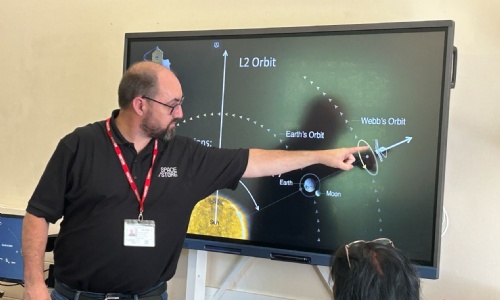
A particular highlight of the term was a coding workshop led by Stephen Ringler from Spacestore. Using Python students explored the fascinating world of the James Webb Space Telescope (JWST) and discovered how the telescope uses pointing input vectors to maintain the correct orientation, ensuring its heat shield remains facing the Sun to protect its sensitive scientific instruments. Students then applied this understanding by writing their own code based on these real-world principles.
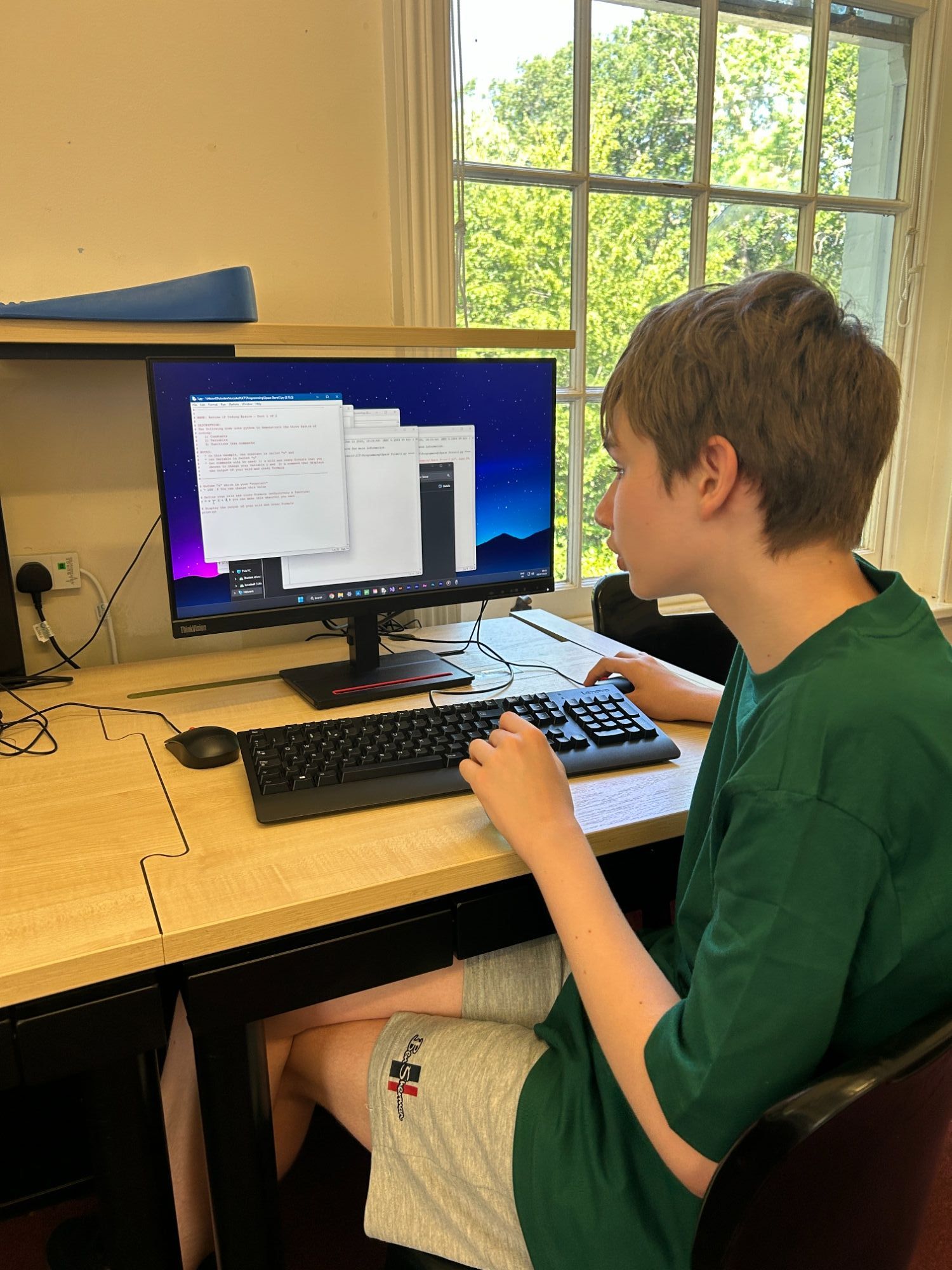
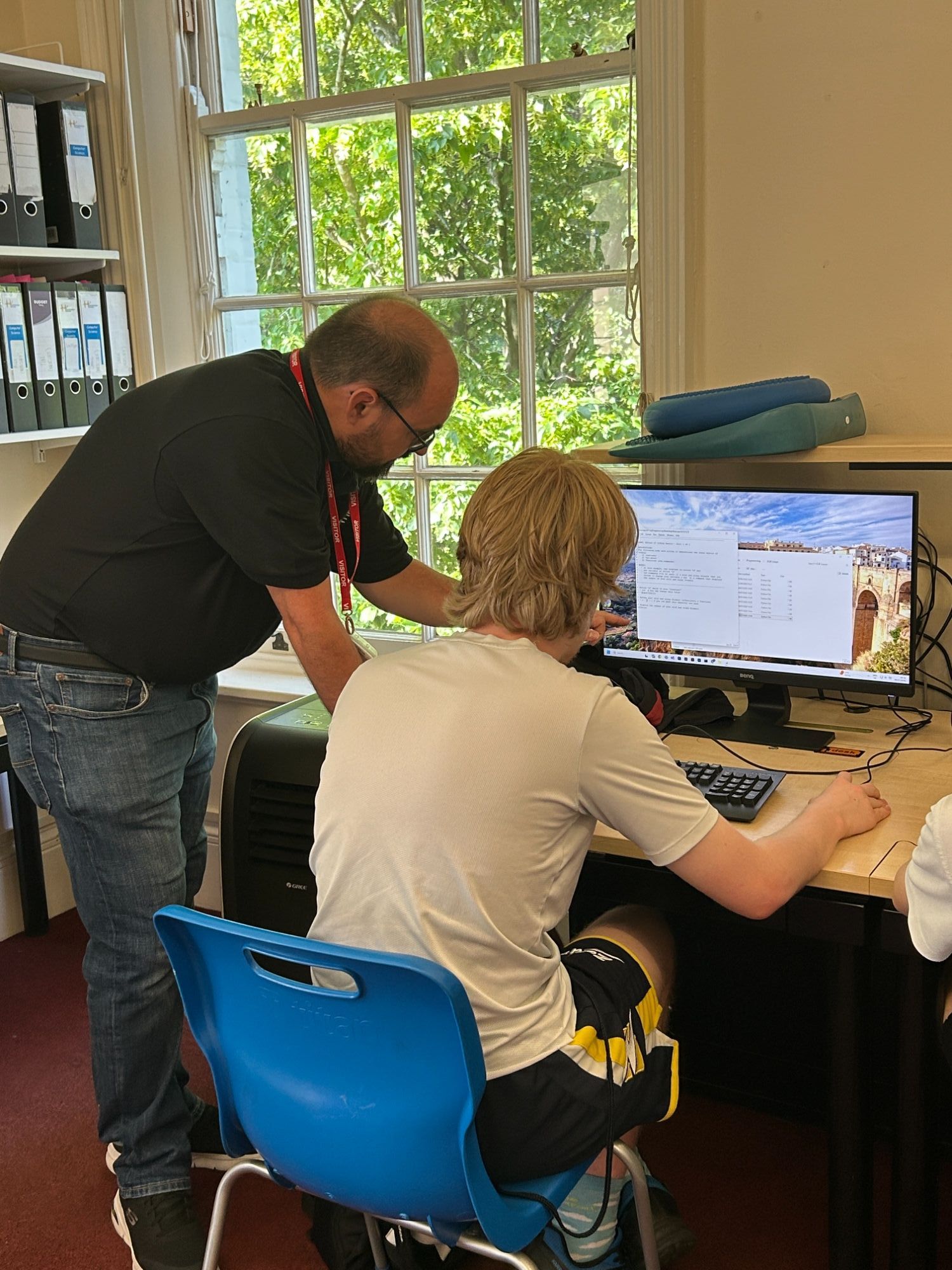
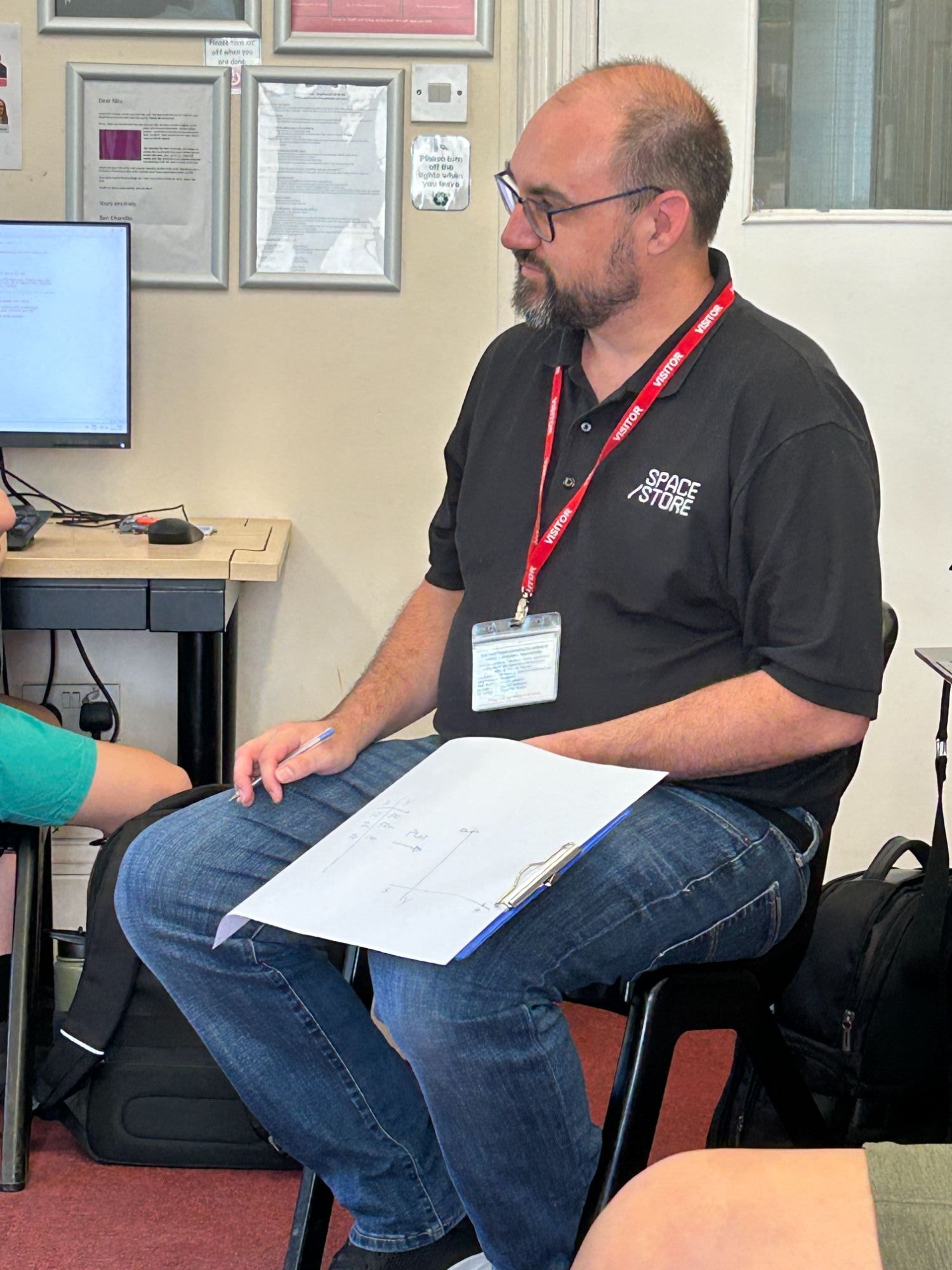
The workshop formed part of our wider cross-curricular STEAM (Science, Technology, Engineering, Arts and Mathematics) focus on space. It provided an excellent opportunity for students to see how Computer Science underpins many of today's scientific and engineering achievements, demonstrating that programming is not just something learned in the classroom but an essential tool used by scientists, engineers and researchers to solve complex real-world problems. Earlier in the term, students also heard from an aerospace engineer during Science Week, further reinforcing the links between computing and space exploration.
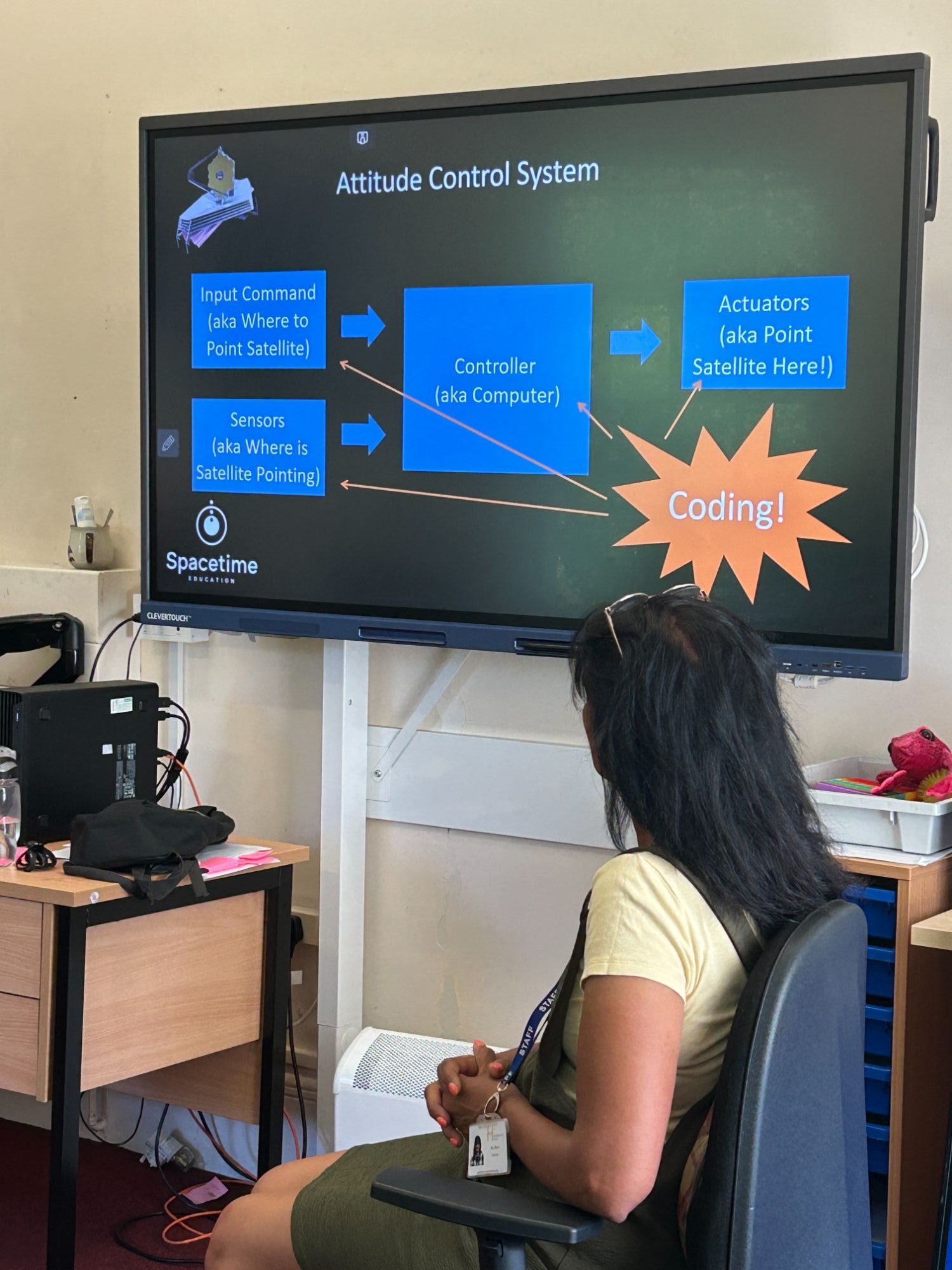
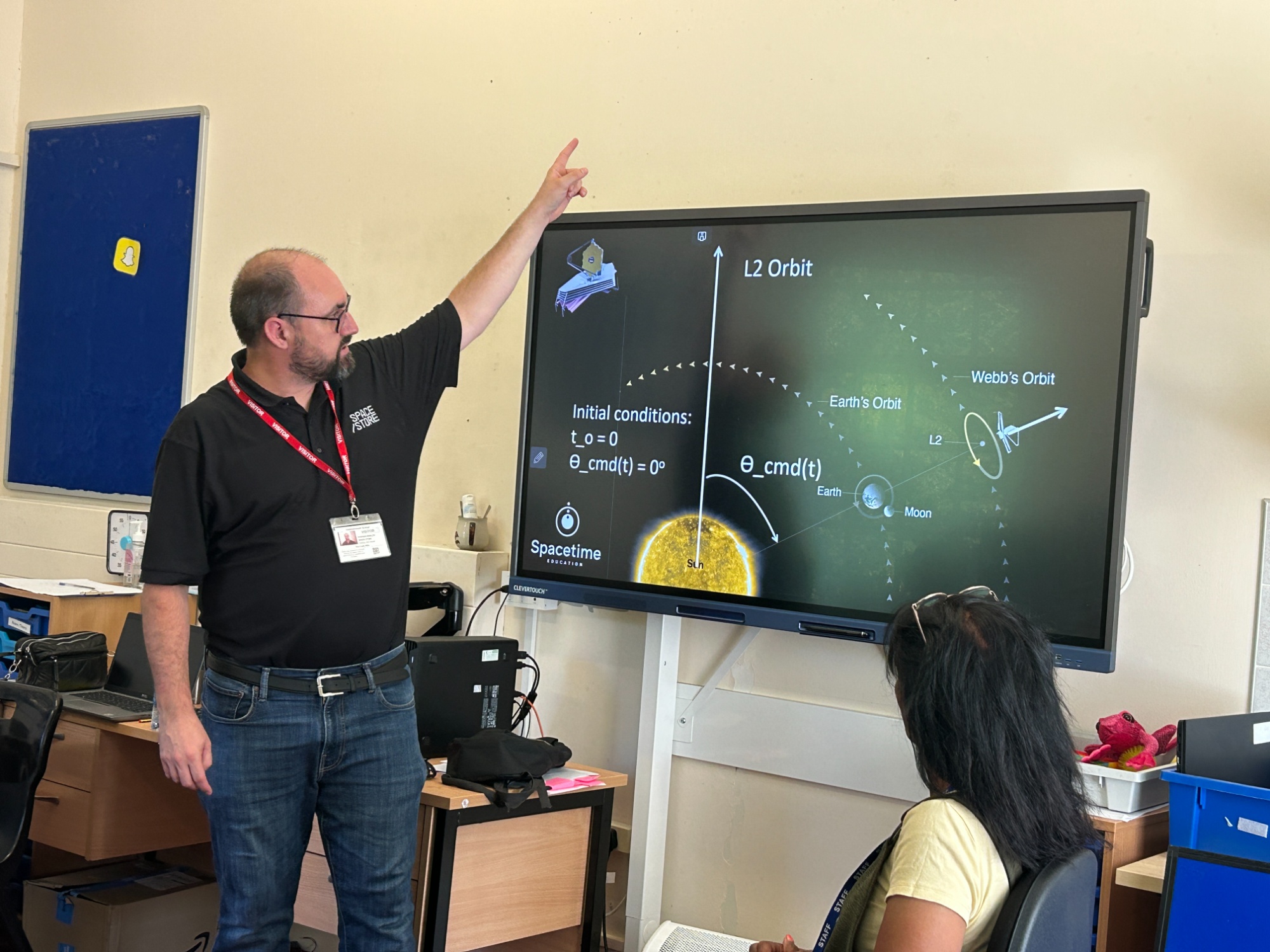
Throughout the year, students have continued to develop their programming skills using a variety of languages and technologies, learning how to write efficient, logical and well-structured code. As their confidence grows, they tackle increasingly challenging projects that encourage creativity, resilience and independent thinking.
Computer Science offers a fantastic pathway into a wide range of careers, including software development, cyber security, artificial intelligence, robotics, data science and game development. At Heathermount, students can continue their studies through GCSE Computer Science, gaining knowledge and practical skills that provide an excellent foundation for further education, apprenticeships and employment within the rapidly growing technology sector.
We are incredibly proud of the enthusiasm, curiosity and determination our students continue to demonstrate and look forward to building on these experiences next term.