






Secondary Science
.jpeg)
Secondary students have been very busy in Science this term.
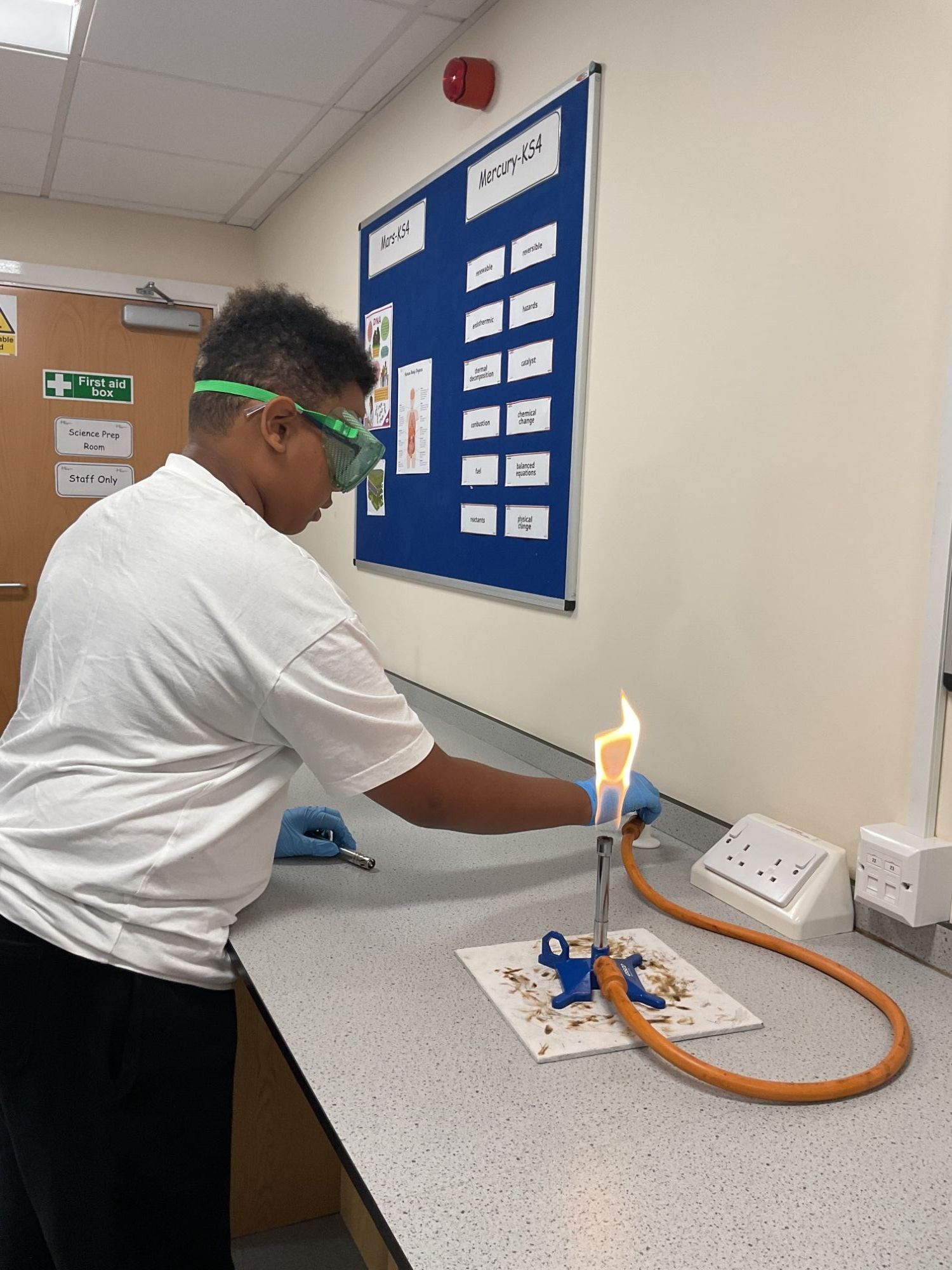
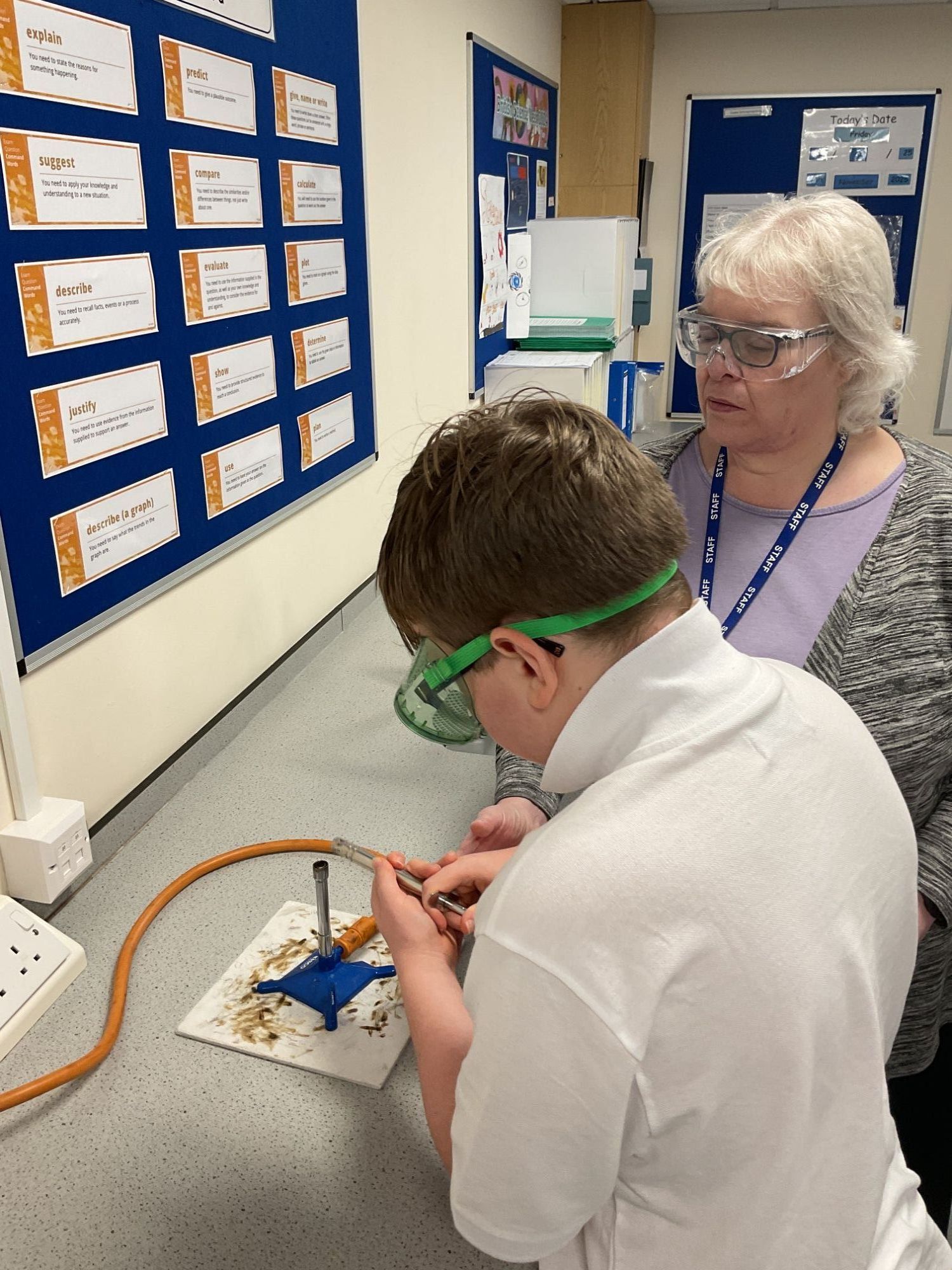
Mars students enjoyed using Bunsen burners. They learnt how to light the flame safely and try different flame types. Everyone carefully heated test tubes and watched how substances changed with heat. It was great to see students working together, making predictions, collecting data and exploring like real scientists. Well done to all Year 7s for their enthusiasm and careful lab work!
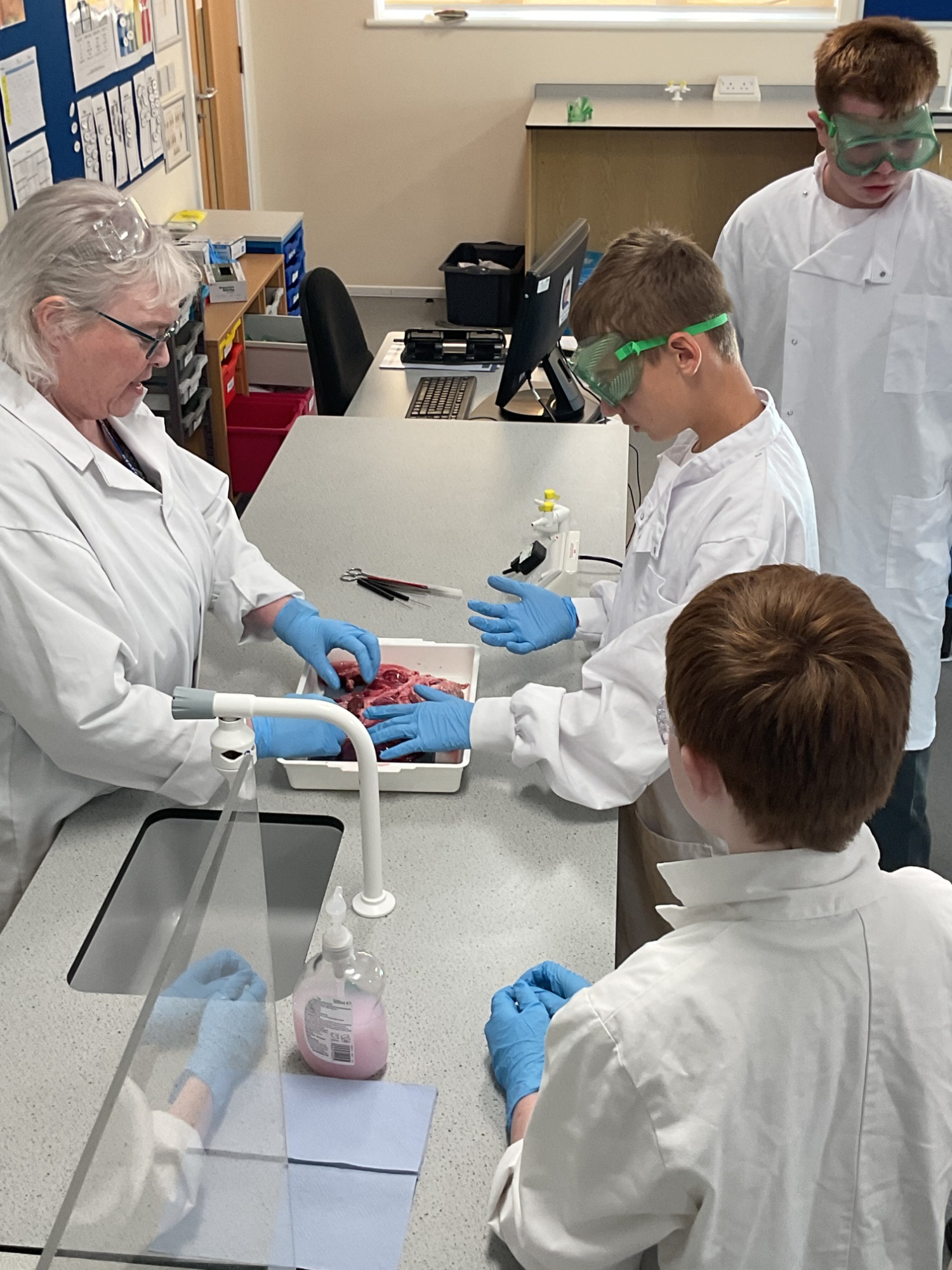
It has been a fascinating term of Biology for Mercury Class. They have been diving deep into the intricate workings of the human body, focusing specifically on how our respiratory and digestive systems function together to keep us alive.
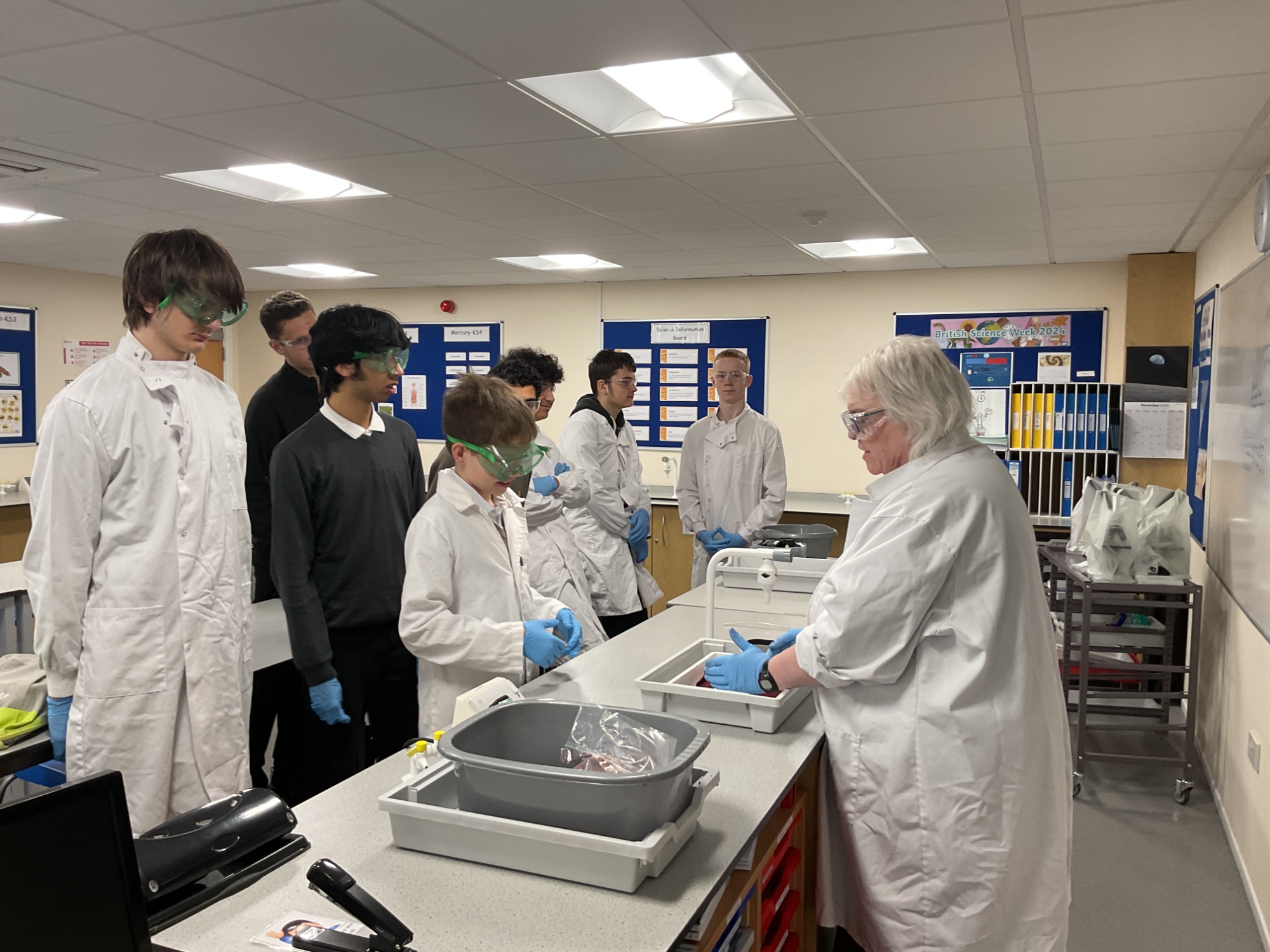
Students moved beyond textbook diagrams to understand the mechanics of breathing and the complex journey food takes through the gut. The highlight of the unit was the practical investigation: dissecting a 'pluck' (the combined heart, lungs, trachea, and oesophagus of a sheep).
The students embraced this hands-on opportunity with incredible maturity and scientific curiosity. Seeing the textures and structures of real anatomy up close really helped bring the theory to life—particularly inflating the lungs to see how much air they can hold! Well done, Mercury Class, for approaching a challenging task with such enthusiasm.
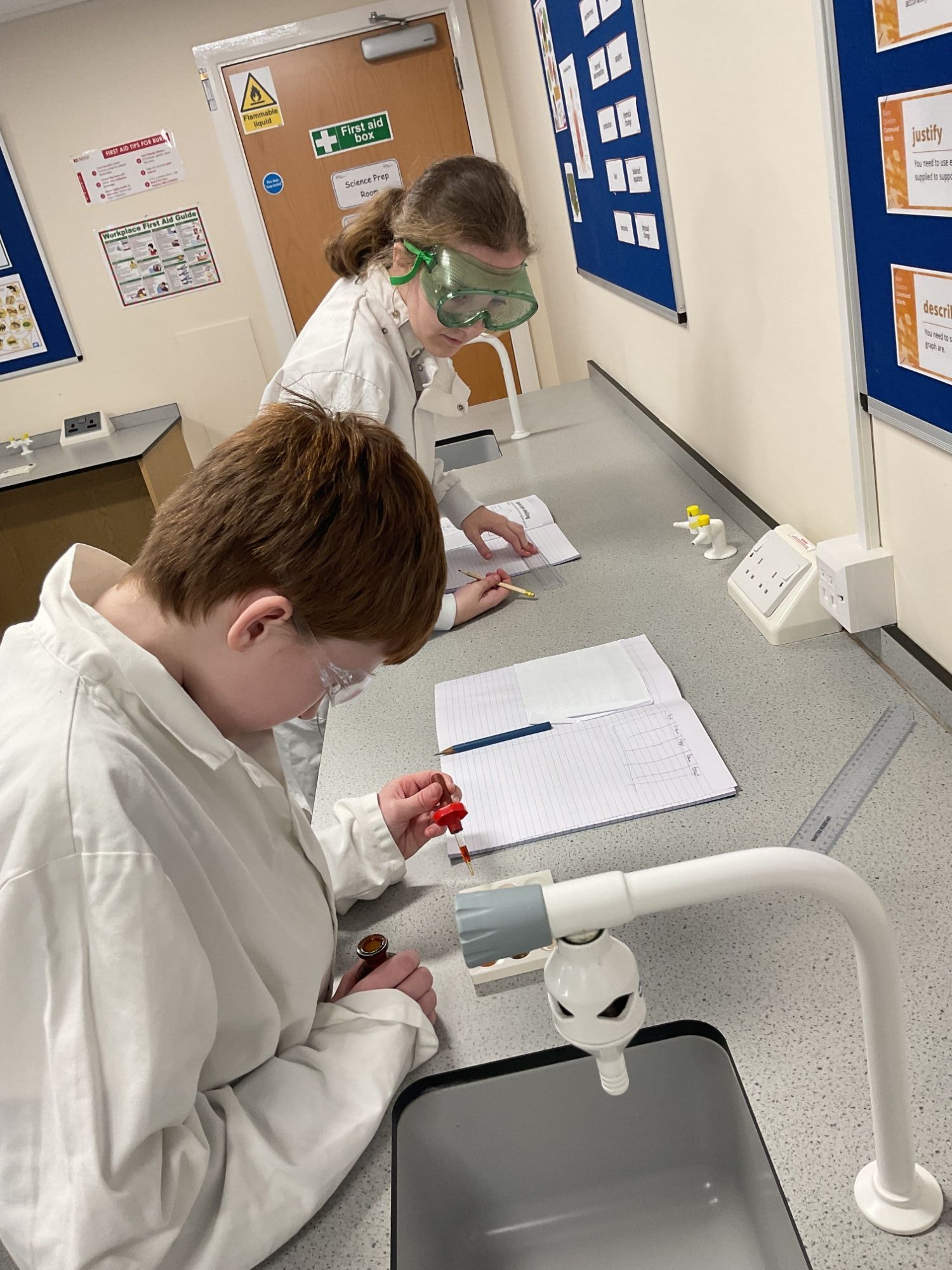
Saturn have been busy exploring motion and forces this term. Students investigated how to measure speed through hands-on practical experiments, including timed races and distance-tracking activities. They also explored how different variables can affect the speed of a falling object by designing and testing their own parachutes. Alongside these investigations, the class has developed a strong understanding of Newton’s First Law and how gravitational forces act on objects in motion. It has been a highly engaging unit, with students showing great curiosity and enthusiasm as they applied scientific principles to real-world situations.
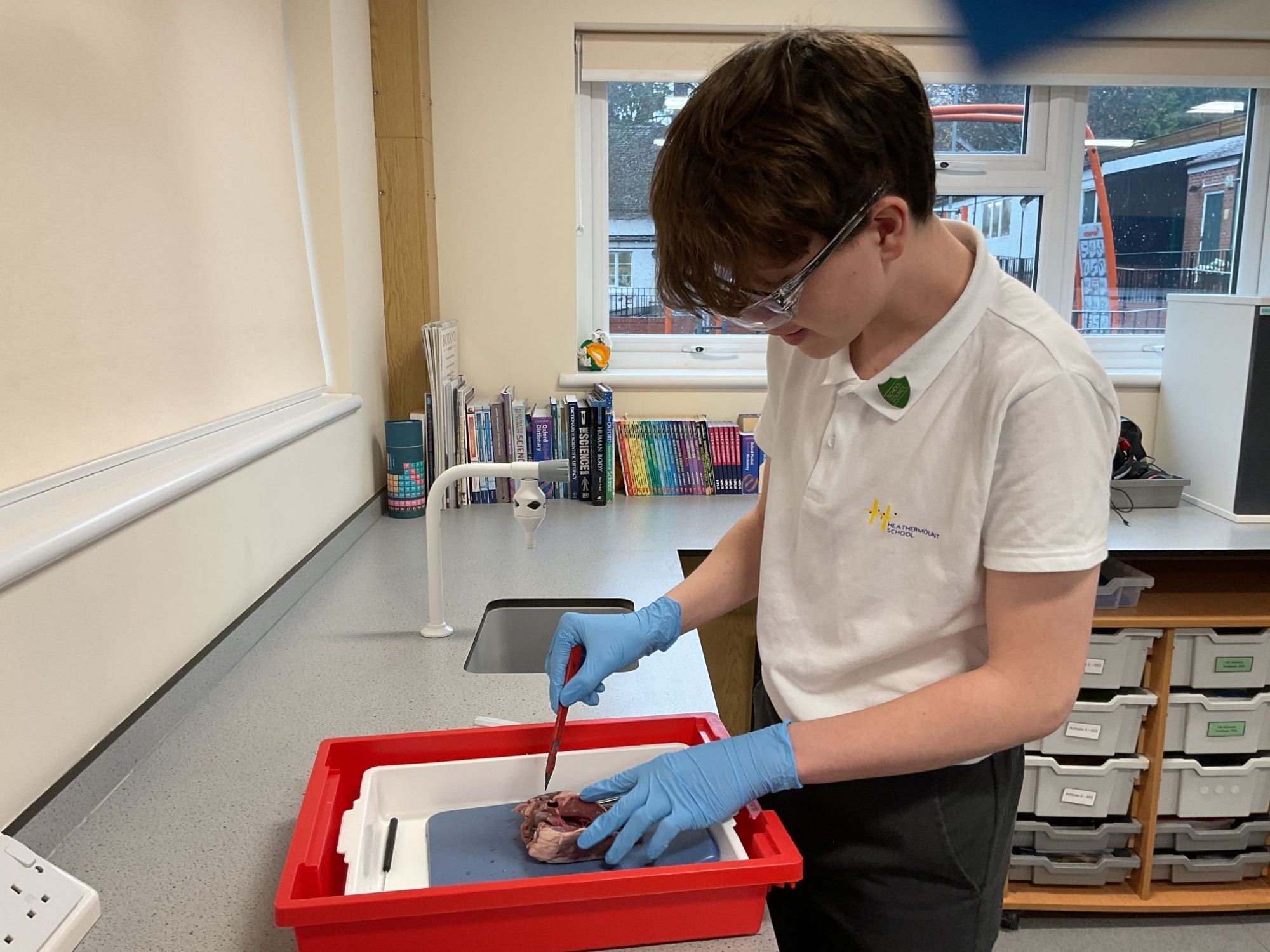
Our GCSE students completed work on cells, respiration (both aerobic and anaerobic) the Circulatory System and the Nervous System. They examined a pluck (trachea, heat and lungs) to see how the lungs work and observed some cells under a microscope. They also dissected a heart to give them a better understanding of the different thicknesses of the heart walls, valves, arteries and veins and how the structure is held together. The term will finish with a Required Practical on Reaction Time.